
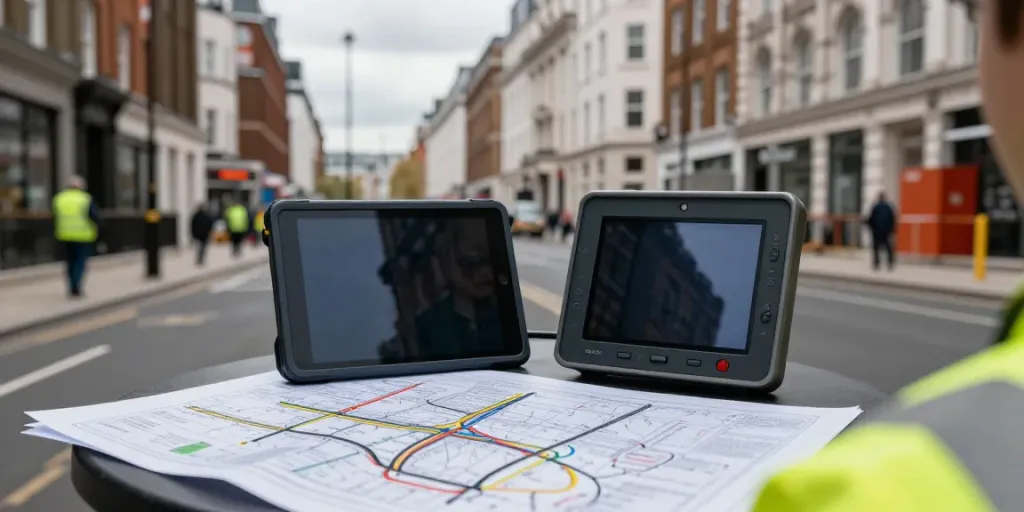
Understanding Utility Surveys in London
In the bustling metropolis of London, the need for accurate and thorough utility surveys has become increasingly vital. As urban development continues to expand, ensuring the safety and efficiency of underground utility management is paramount. Utility surveys serve to identify, locate, and map underground utilities such as water, gas, electricity, and telecommunications, which are essential for any construction or redevelopment project. When exploring options, Utility Survey London provides comprehensive insights into the intricacies of these essential assessments.
What is a Utility Survey?
A utility survey is a systematic process designed to detect and map the underground utility infrastructure within a given area. This process involves techniques like Ground Penetrating Radar (GPR), electromagnetic induction, and other advanced technologies to identify the location of various utilities. The primary objective is to gather accurate data that can inform planning, construction, and maintenance activities, thereby preventing potential hazards that could arise from accidental damage to buried utilities.
The Importance of Utility Surveys for Construction Projects
Utility surveys play a critical role in the success of construction projects, particularly in densely populated areas like London. Understanding the exact location of utilities can save time and money while enhancing safety. Here are a few key reasons why these surveys are so important:
- Risk Mitigation: Accidental damage to underground utilities can lead to serious safety hazards, including injuries or costly service interruptions.
- Regulatory Compliance: Many construction regulations require thorough utility surveys to ensure safety and compliance with local laws.
- Cost Efficiency: By identifying utilities early in the planning process, projects can be designed to work around existing infrastructure, reducing the risk of delays and unexpected expenses.
Key Regulations and Standards: PAS128 Explained
PAS128 is a specification for underground utility detection, verification, and mapping in the UK. This standard was developed to provide a framework for the gathering and reporting of underground utility information. Adhering to PAS128 allows surveyors to deliver reliable data that can significantly contribute to the safety and efficiency of construction projects. Its four levels of survey provide varying depths of detail based on project needs:
- Level 0: No information available.
- Level 1: Desk study of existing utility records.
- Level 2: Detection of utilities using non-intrusive methods.
- Level 3: Verification and accurate mapping of utilities with GPR or other techniques.
Best Practices for Conducting Utility Surveys
Choosing the Right Equipment for Utility Surveys
Selecting appropriate equipment is crucial for the success of utility surveys. Depending on the complexity of the site, various technologies can be employed.
- Ground Penetrating Radar (GPR): This non-destructive method uses radar pulses to image the subsurface. It can detect utilities with various materials, including plastic, metal, and concrete.
- Electromagnetic Induction: This technique is effective for locating metallic utilities and can be combined with GPR for more comprehensive results.
- Accurate Mapping Software: Utilizing advanced mapping software helps in visualising and managing the data obtained from surveys.
Preparing Your Site for a Successful Survey
Effective preparation can significantly enhance the outcome of a utility survey. Key steps include:
- Site Assessment: Conduct an initial site assessment to determine potential access issues and hazards.
- Utility Data Collection: Gather existing records of utilities in the area from local municipalities and utility companies.
- Stakeholder Engagement: Communicate with stakeholders to ensure their needs and concerns are addressed prior to the survey.
Safety Protocols During Utility Surveys
Safety is paramount in utility surveying. Workers must be aware of potential hazards and adhere to local regulations. Key safety protocols include:
- Personal Protective Equipment (PPE): Ensure that all personnel wear appropriate PPE such as hard hats, gloves, and high-visibility clothing.
- Site Safety Assessments: Conduct regular safety assessments throughout the survey process to identify and mitigate risks.
- Emergency Procedures: Establish and communicate emergency procedures in case of an incident during the survey.
Common Challenges in Utility Surveying
Identifying Hidden Utilities and Obstacles
One of the primary challenges in utility surveying is the presence of unmarked or undocumented utilities. These hidden utilities can pose significant risks during construction activities. To mitigate these challenges, surveyors must:
- Employ a combination of detection techniques to improve accuracy.
- Cross-reference data from multiple sources, including existing utility records and site assessments.
- Utilize advanced technologies such as GPR to detect non-metallic utilities.
Dealing with Regulatory Compliance Issues
Utility surveys must adhere to strict regulations and standards, which can vary between boroughs in London. Keeping abreast of these regulations is vital for surveyors, as it affects the entire project lifecycle. Key strategies include:
- Regular training and updates for surveying teams on current regulations.
- Collaborating with legal experts to ensure compliance with any new or updated legislation.
- Documenting all survey processes and findings for future reference and compliance checks.
Overcoming Technological Limitations in Utility Mapping
While technology has advanced significantly, there are still limitations in utility mapping. Some challenges include the differentiation between utility signals and other subsurface clutter. To overcome these challenges, the following approaches can be beneficial:
- Integrating multiple technologies to cross-verify the data.
- Investing in regular updates and maintenance of surveying equipment to ensure optimal performance.
- Utilizing software that enhances data analysis and visualisation capabilities.
Future Trends in Utility Surveying
Innovations in Survey Technology for 2026
The future of utility surveying is poised for significant technological advancements. Emerging trends include:
- Artificial Intelligence (AI): AI will play a crucial role in analysing data collected from surveys, allowing for enhanced accuracy and predictive modelling.
- Drones and UAVs: These technologies can provide aerial surveys of large areas, making utility mapping faster and more efficient.
- Real-Time Data Sharing: Innovations in cloud technology will allow for real-time sharing of survey data among teams, improving collaboration and efficiency.
Sustainable Practices in Utility Surveys
As environmental concerns rise, the utility surveying industry is also focusing on sustainable practices. Key initiatives include:
- Utilizing Eco-Friendly Materials: The adoption of environmentally friendly materials in surveying equipment reduces carbon footprints.
- Minimising Site Disturbance: Using non-invasive survey techniques helps protect the environment and preserves local ecosystems.
- Promoting Energy Efficiency: Implementation of energy-efficient technologies in the survey processes contributes to sustainability.
The Impact of Smart Cities on Utility Surveying
With the rise of smart cities, utility surveying is expected to evolve significantly. Smart cities will rely on advanced data analytics and IoT (Internet of Things) to manage utilities more effectively. This represents a paradigm shift where utility surveying will not only involve mapping current utilities but also monitoring their usage and health proactively, leading to:
- Improved infrastructure management through predictive maintenance.
- Enhanced emergency response capabilities by providing real-time data.
- Increased public safety and reduced service disruptions through better utility management.
Frequently Asked Questions about Utility Surveys
How much does a Utility Survey typically cost in London?
The cost of a utility survey in London can vary significantly based on factors such as the size of the site, the complexity of the utility networks, and the level of detail required. Generally, prices can range from £500 to £2,500 or more.
What are the risks of not conducting a Utility Survey?
Failing to conduct a utility survey can lead to numerous risks, including service interruptions, safety hazards, legal liabilities, and increased costs due to damage to existing utilities. It can also result in project delays that affect timelines and budgets.
Which companies provide the best Utility Survey services in London?
Several reputable companies offer utility survey services in London. It is advisable to look for firms with positive reviews, robust experience, and accreditation to ensure quality and reliability.
How long does a typical Utility Survey take?
The duration of a utility survey can vary based on the survey's complexity and the site's size, but it typically takes from a few days to a couple of weeks. This time frame includes preparatory work, surveying, and data analysis.
What are the steps involved in a Utility Survey?
The main steps in a utility survey typically include initial site assessment, data collection of existing utilities, conducting field surveys using appropriate technologies, data analysis, and reporting findings. Proper documentation throughout these steps ensures compliance and accuracy.